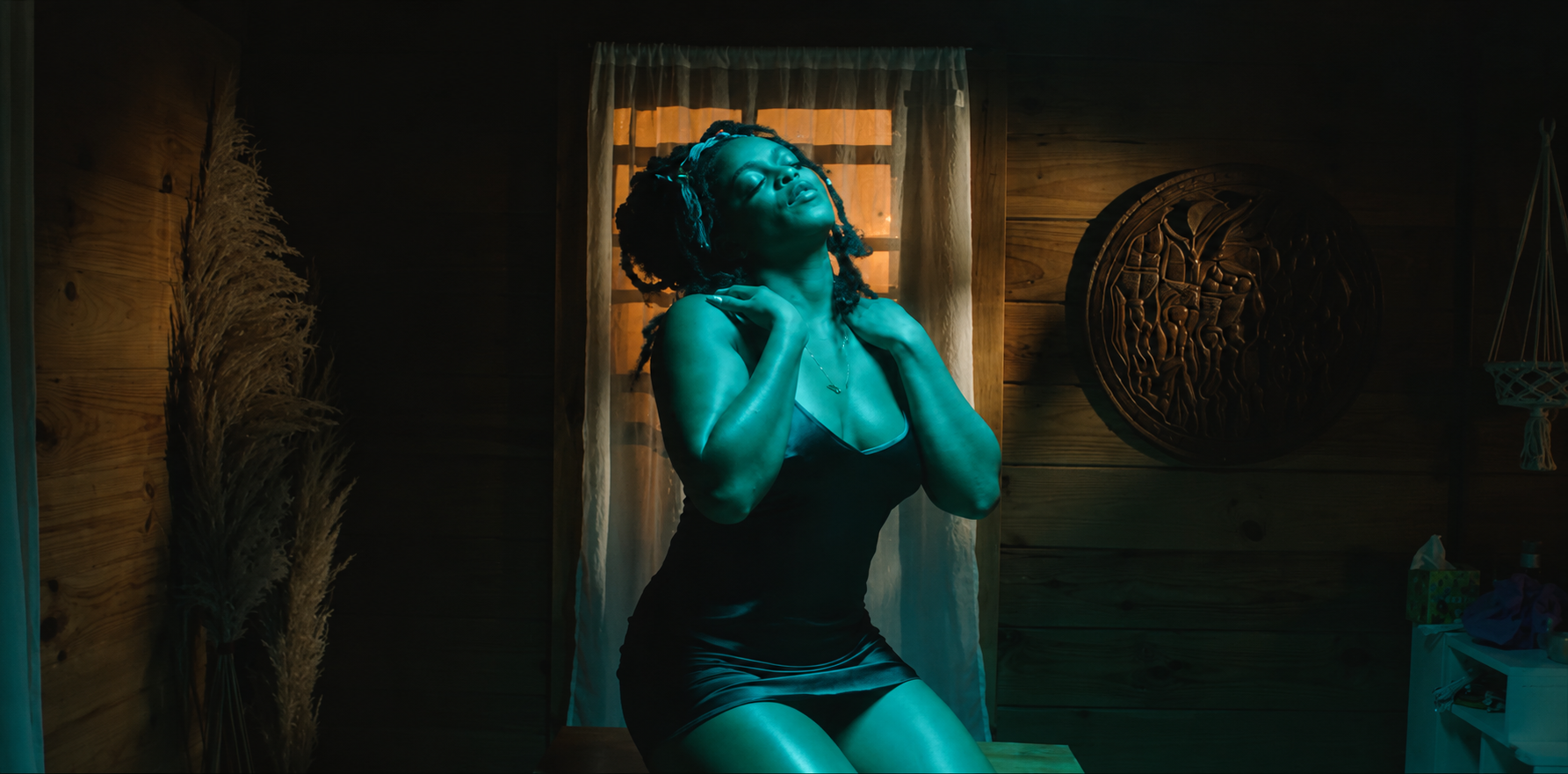
Lila Iké’s current chapter feels important because it does not sound like an artist pretending to be untouchable. It sounds like an artist choosing honesty without giving away control. That balance is not easy. In music, especially for women, openness is often treated like exposure. Lila turns that idea around. She makes emotional truth feel disciplined.
That is why Treasure Self Love lands with weight. The title already tells you the direction. This is not only a project about romance, beauty, or soft feeling. It is about ownership of self. It is about a woman choosing her voice, her image, her body, her story, and her emotional language without waiting for the industry to decide how she should be framed.
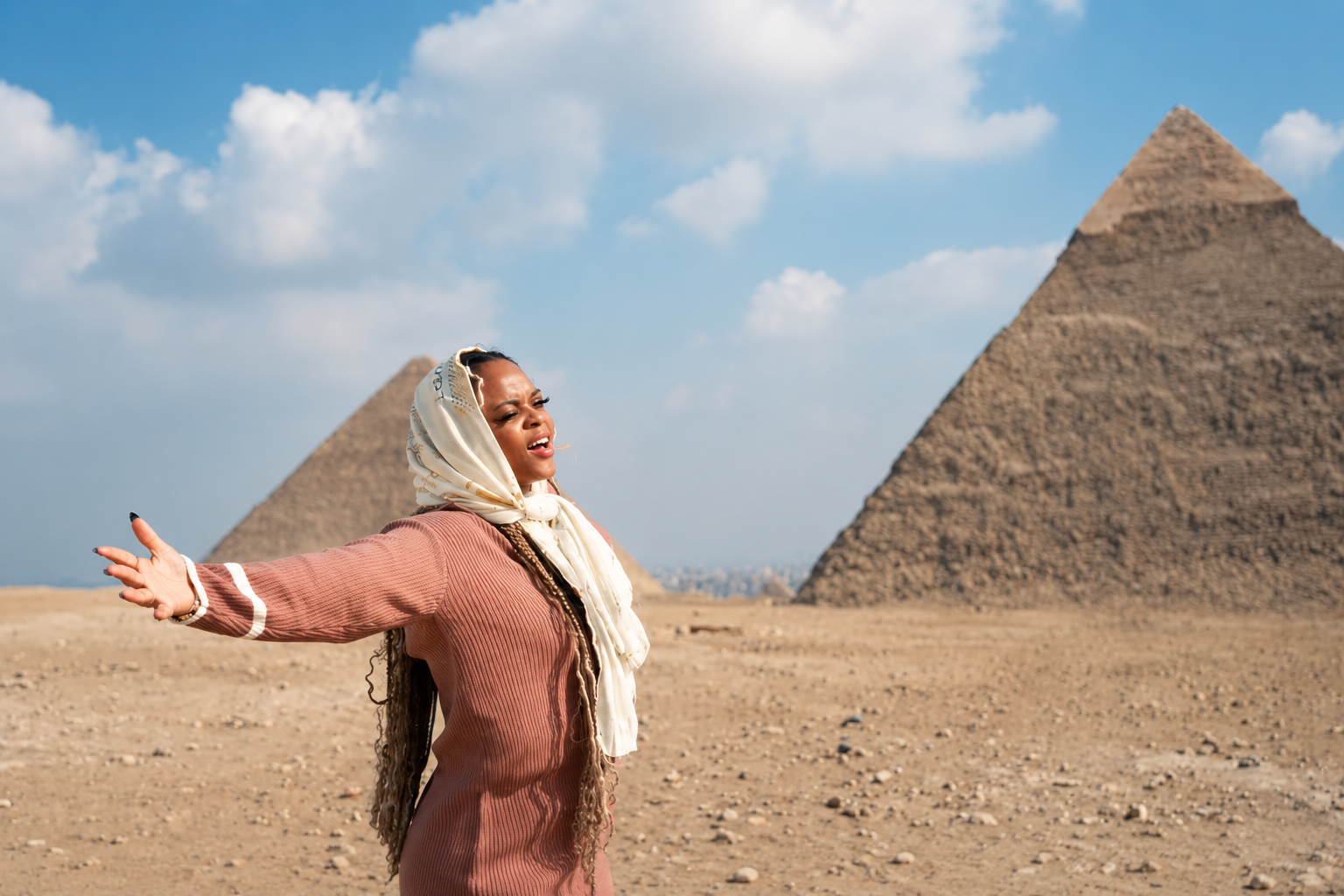
Lila’s power is in the way she carries softness without looking fragile. Her voice can feel gentle, but the intention behind it is firm. Her style can feel editorial, but not empty. Her music can move through reggae, soul, and modern Jamaican energy without losing the center. That makes her brand feel layered.
The cultural meaning is bigger than one album. Lila Iké represents a necessary lane in reggae: the woman who refuses to be simplified. She can be stylish, spiritual, sensual, thoughtful, sharp, grounded, and emotionally open in the same frame. That matters because too many female artists are pushed into narrow categories before the music is even heard.
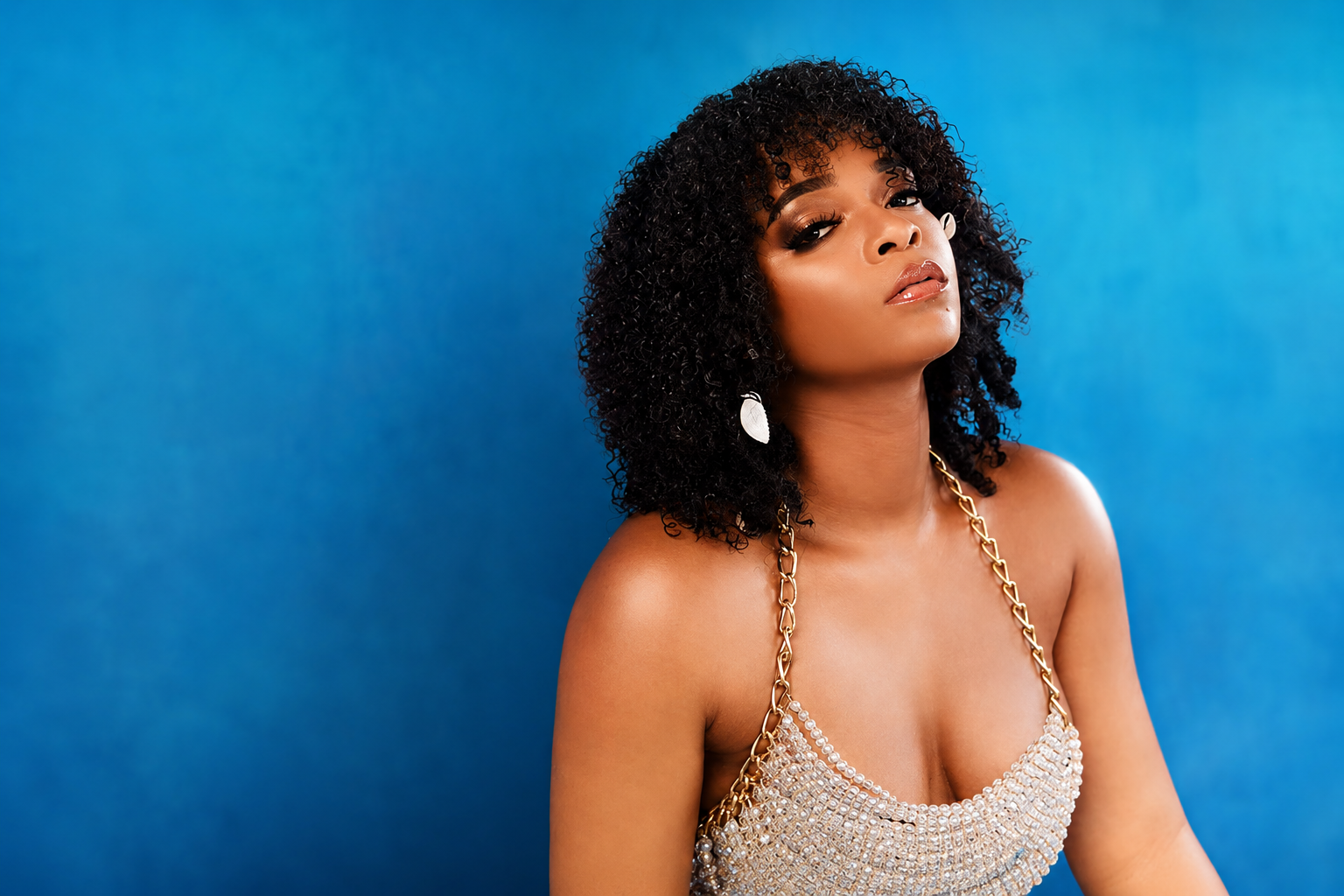
Fans connect because the story feels human. Self-love is not a pretty phrase when it comes through pressure. It means choosing yourself after doubt. It means building confidence without pretending pain never existed. It means walking into bigger rooms with your own voice instead of borrowing someone else’s posture.
Her Grammy-level recognition adds another layer because it brings that personal story into a wider reggae conversation. It proves that intimate music can still have international weight. A project does not have to shout to be serious. It can be precise, emotional, and still carry power.
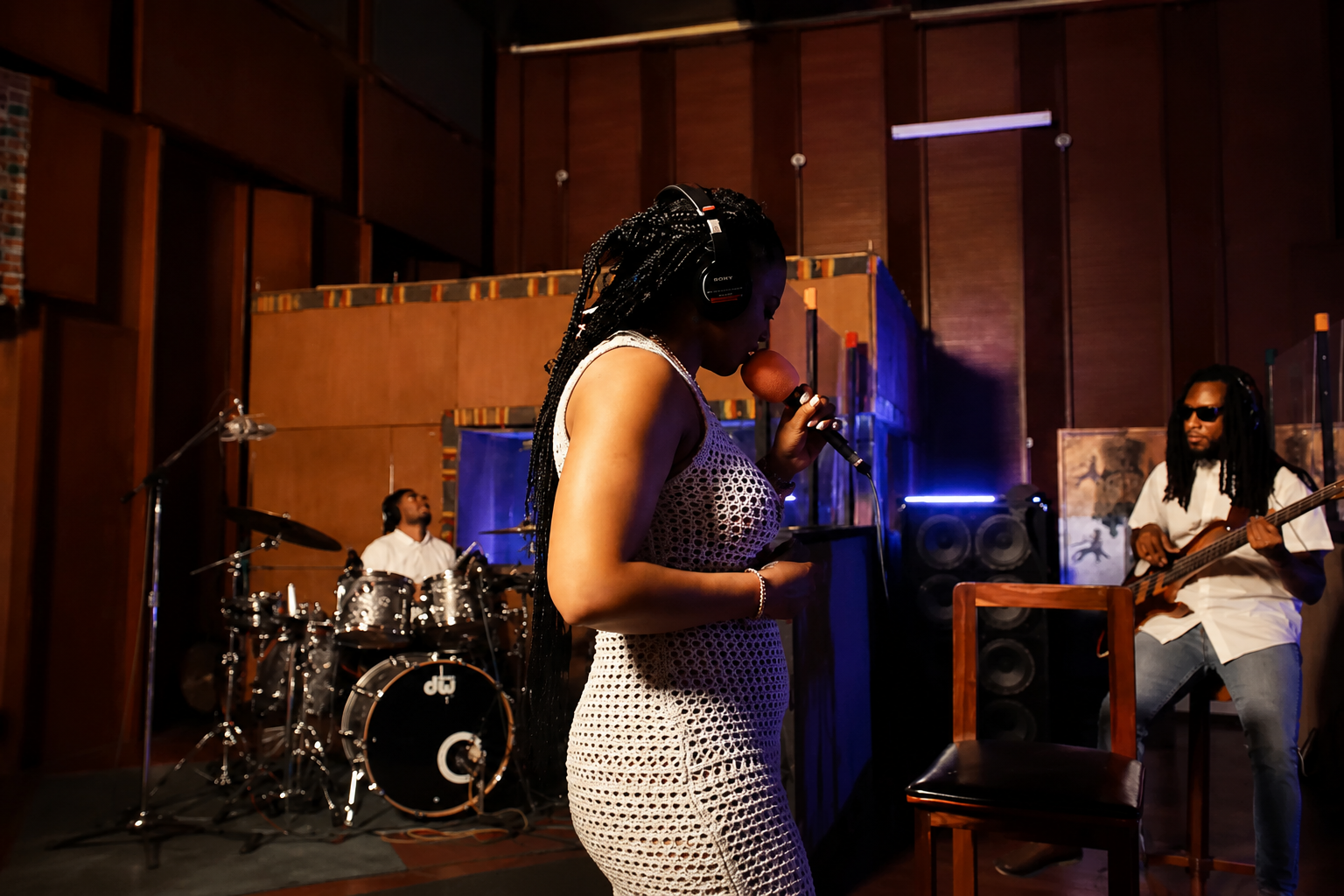
For the industry, Lila’s chapter is a reminder that reggae’s future does not have to choose between roots and evolution. The sound can stretch. The image can become more cinematic. The writing can become more personal. The woman at the center can be fully herself without being edited down for comfort.
Social media can carry Lila’s story because it gives people language for their own growth. A lyric can become a caption. A photo can become a mood. A performance clip can become proof that softness and discipline can live together.

Lila Iké is not making self-love look passive. She is making it look like work, clarity, style, and survival.
And that is why this chapter feels powerful: she is not just singing about finding herself. She is showing what it looks like when an artist refuses to disappear inside anyone else’s idea of her.
Comments
Join the next conversation
This slot is reserved for Holyard community discussion, quick reactions, and follow-up commentary once the comment layer is wired in.