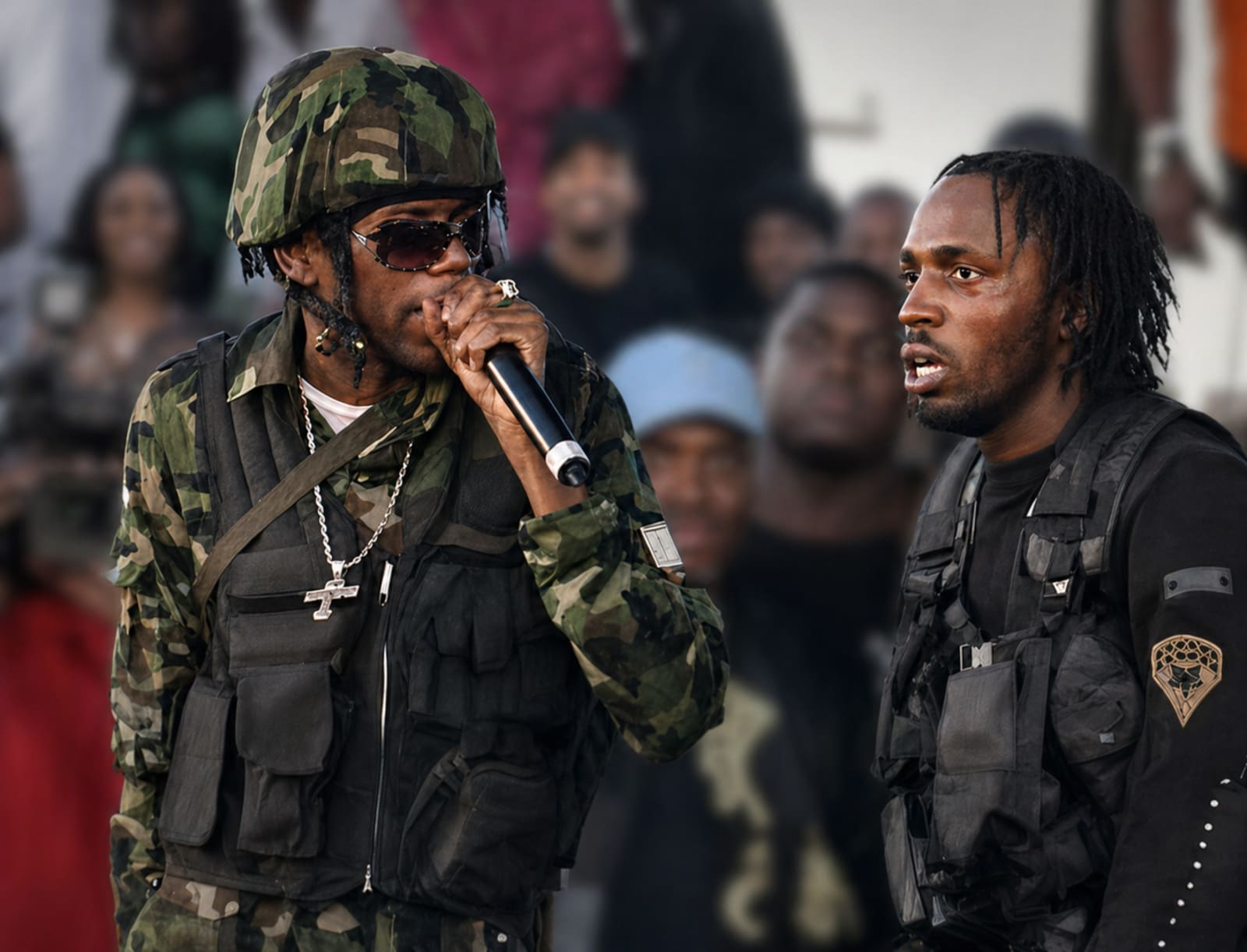



Some announcements land quietly. This one shook the room before the first song played.
Vybz Kartel and Mavado sharing one Reggae Sumfest stage is not a regular festival update. It carries years of rivalry, loyalty, street identity, fan memory, and dancehall emotion into one frame.
That is why this moment feels heavy. The culture is not only waiting to hear songs. It is waiting to see what those names still do when they stand inside the same conversation again.
The old rivalry still has a pulse
Gaza and Gully became more than two fan bases.
They became a way people chose sides, argued music, measured status, defended identity, and carried dancehall energy into everyday life. The rivalry shaped language. It shaped style. It shaped how a generation understood competition.
So when Kartel and Mavado return to the same stage, the reaction is not random. The culture remembers the sound, the tension, the debates, and the emotional weight that came with that era.
Some names fade when the moment passes.
These two did not.
Plantation Cove changes the weight
The setting matters.
Plantation Cove gives the event a different kind of pressure. This is not just another stage inside another festival run. The location and the one-night energy make the whole thing feel concentrated, like dancehall is being asked to gather its memory in one place.
That changes how people watch.
Every entrance matters. Every transition matters. Every song choice carries meaning. The crowd will not only respond to performance. It will respond to history.
That is where the pressure lives.
Two legacies, one frame
Kartel and Mavado carry different kinds of power.
Kartel’s name moves with mythology, language, influence, and the kind of fan loyalty that few artists ever build. Mavado’s presence carries authority, pain, street elegance, and a voice that helped define an era of dancehall emotion.
Together, they created one of the most important cultural divides in modern dancehall.
Now the question is not whether the audience remembers.
The question is whether the memory still has force.
Dancehall is watching the execution
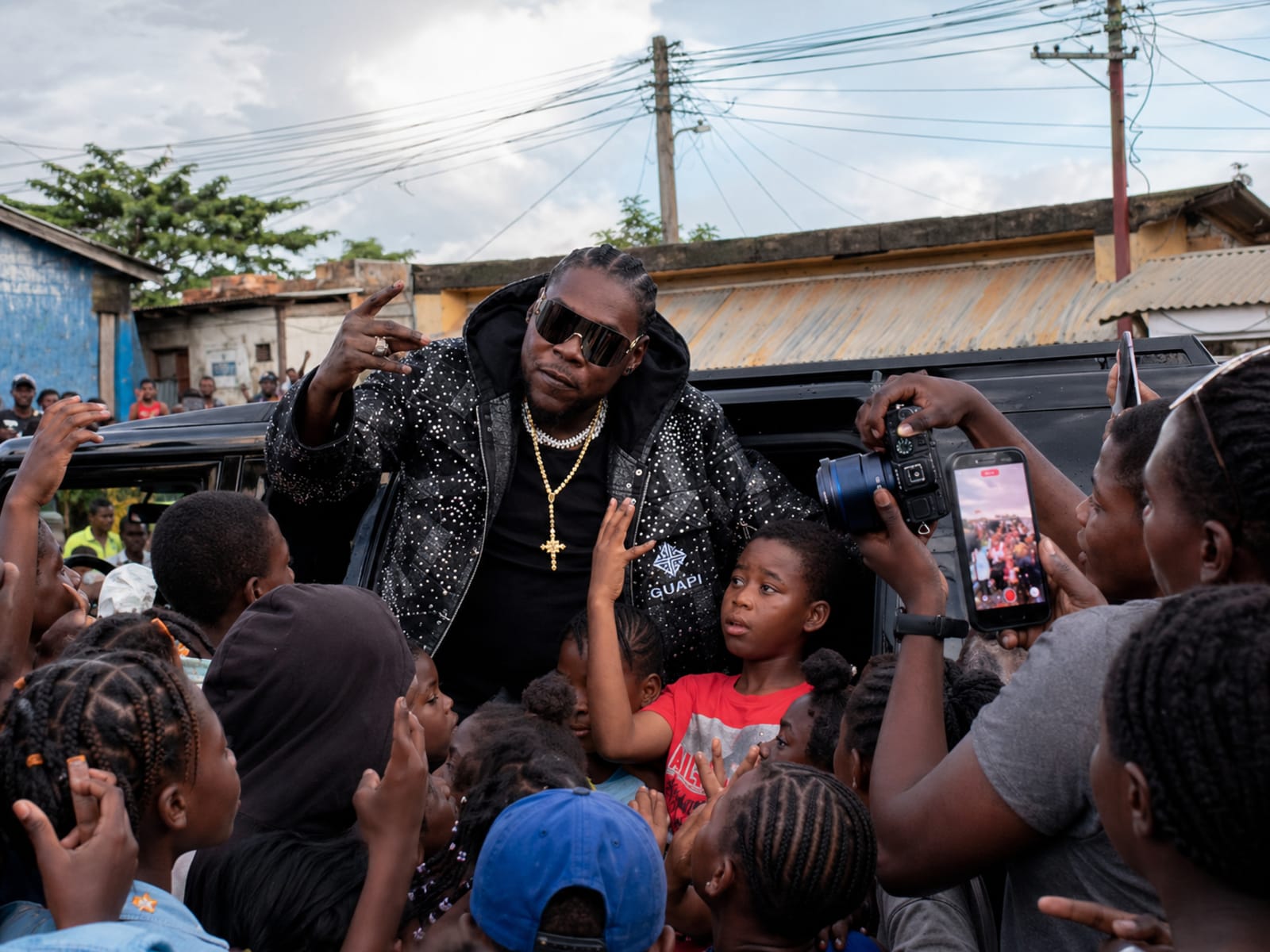
The announcement already did its job. It got the culture’s attention.
Now the stage has to earn the moment.
A night like this cannot survive on names alone. The pacing has to be sharp. The production has to respect the weight. The performances have to feel intentional, not thrown together. The audience needs something that feels worthy of the history attached to it.
Dancehall fans are loyal, but they are not easy to fool.
They will know if the moment lands. They will also know if it falls short.
Why the moment still carries weight
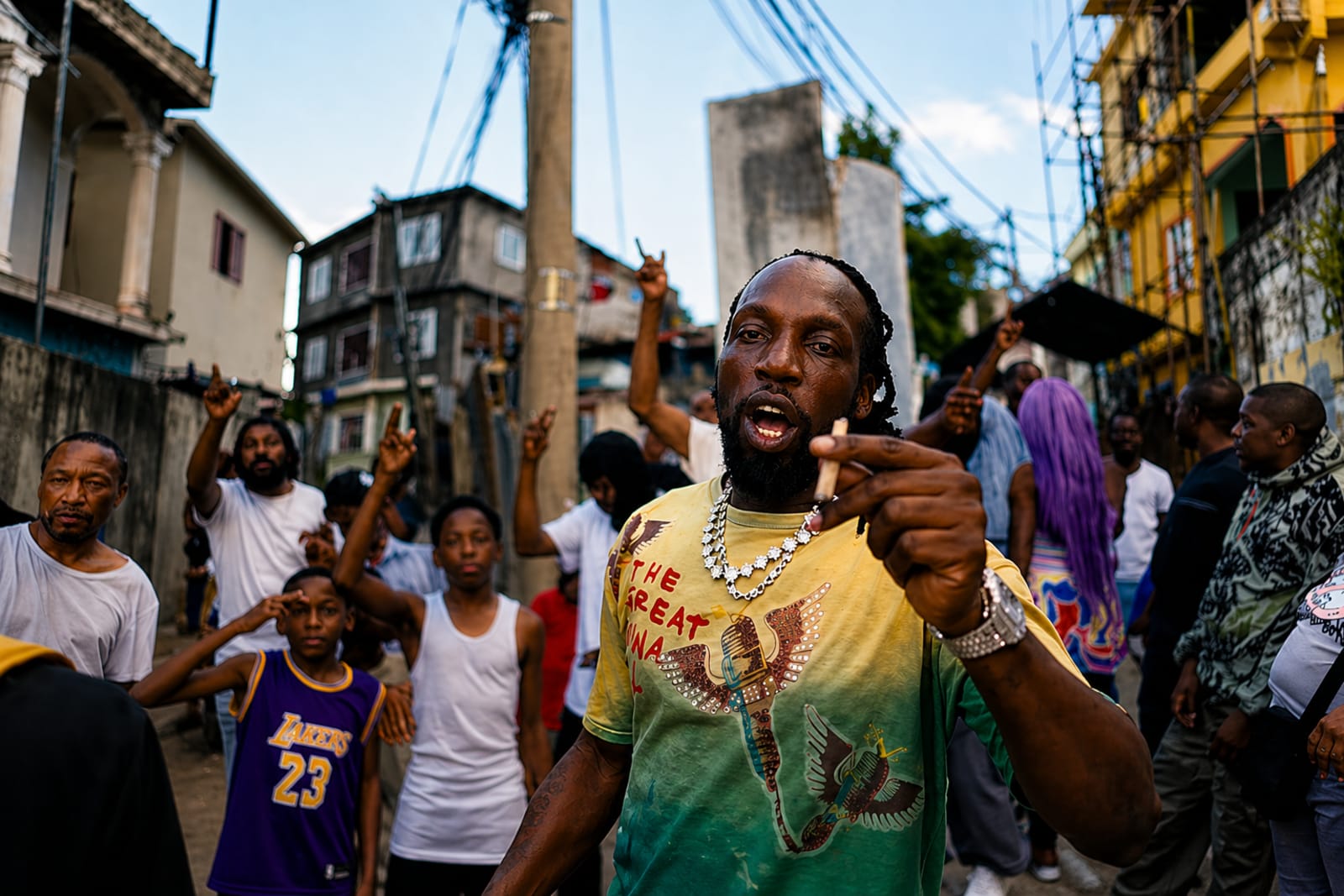
Dancehall moves fast now.
A song can trend in hours. A clip can travel overnight. A young artist can catch fire quickly. But cultural memory moves differently. It does not disappear just because the timeline changes.
That is what makes this stage important.
Kartel and Mavado are not entering the conversation as ordinary performers. They are stepping into a space where their names already carry meaning before the music starts.
That kind of weight cannot be manufactured.
It has to be earned over time.
Holyard verdict
This is the kind of moment Holyard was built to read.
Not only the headline.
Not only the booking.
Not only the excitement around two major names.
The real story is what happens when dancehall puts its own history back in front of the crowd.
Gaza and Gully returning to one stage is a reminder that the strongest artists do more than release songs. They create language. They create sides. They create memory. They leave marks that the culture keeps carrying long after the original moment passes.
One stage. Two legacies. A crowd that remembers.
This is not a throwback.
This is dancehall checking the strength of its own history.
Comments
Join the next conversation
This slot is reserved for Holyard community discussion, quick reactions, and follow-up commentary once the comment layer is wired in.