
Tarrus Riley carries one of reggae’s most valuable assets: a voice people recognize before the screen even shows his face. That kind of identity is powerful. In a time when artists fight to be seen, Tarrus can still move a crowd through sound alone.
That is why his current stage movement matters. Festival bookings are not only about filling a lineup. They reveal which artists still have enough catalogue, trust, and live presence to hold mixed audiences. Tarrus belongs in that category because his music travels across generations without losing its emotional center.

His strongest lane is not built on shock. It is built on uplift, romance, conviction, and vocal command. That combination gives him range. He can touch lovers rock audiences, roots reggae listeners, festival crowds, and Caribbean family spaces without sounding like he is forcing himself into separate boxes.
The cultural meaning is that reggae still needs singers who can carry a stage with warmth and authority. Not every powerful performance has to be aggressive. Tarrus shows that sweetness can still be strong when the voice has control. He can bring comfort without making the music feel light. He can bring joy without making the message feel empty.

Fans care because Tarrus Riley records often feel bigger when performed live. A song like his does not only depend on studio polish. It grows when a crowd sings back, when the band lifts, when the voice stretches into the space, and when the audience feels the memory attached to the hook. That is live reggae power.
For the industry, his continued presence is a reminder that catalogue matters. Viral energy can open a door quickly, but catalogue keeps an artist useful across festivals, cruises, tribute events, and international stages. Tarrus has that kind of usefulness because the songs connect in different settings.
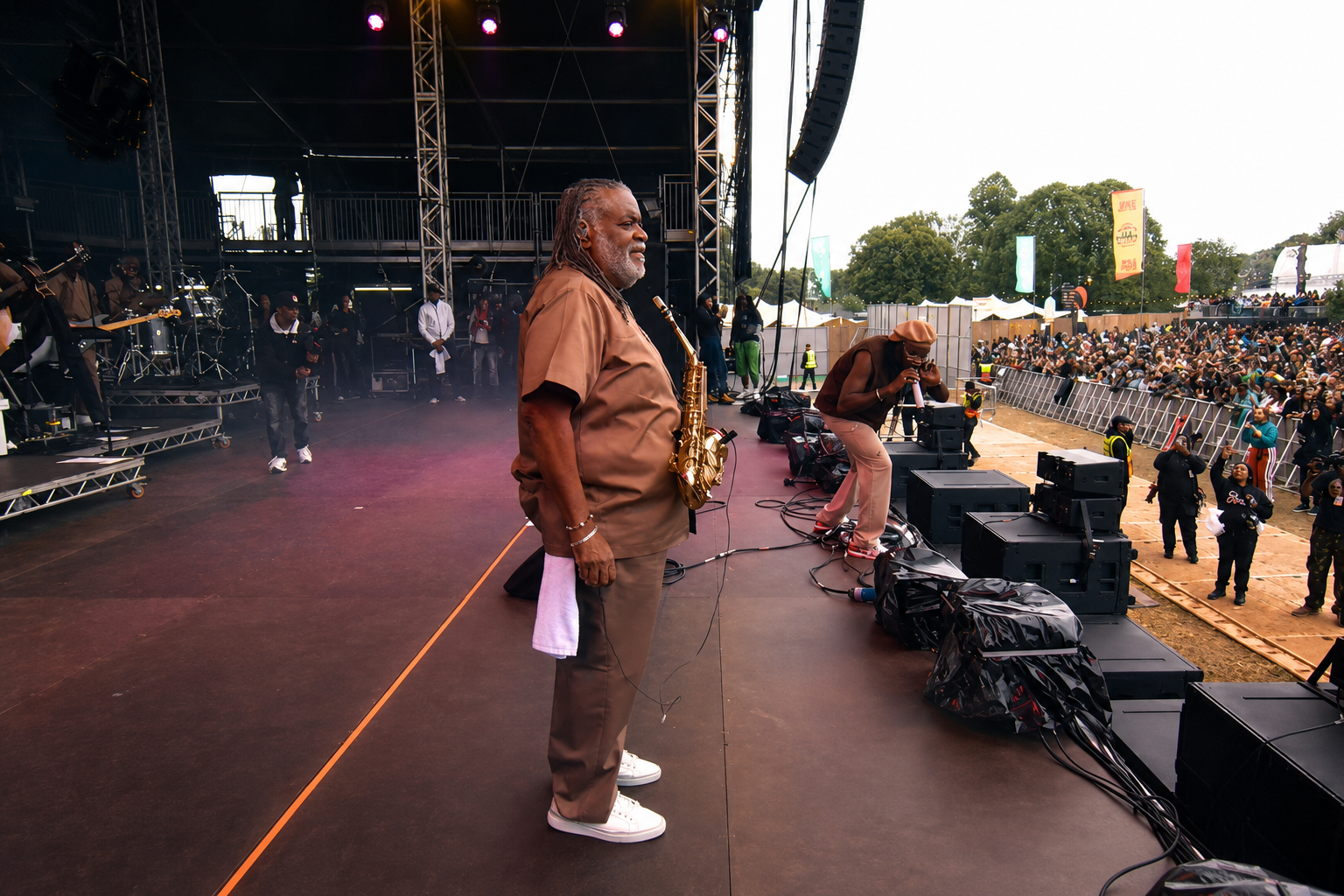
His image also carries stability. He feels familiar without feeling flat. He feels polished without feeling distant. That balance is one reason promoters can place him in front of wide audiences and trust that the performance will land.
Social media may chase dramatic clips, but Tarrus has another advantage: crowd feeling. When a room sings with an artist, the clip does not need explanation. The audience becomes the proof. That is the kind of content that travels because people recognize real connection when they see it.

For Holyard, this is not just a performance update. It is a voice-power story. Tarrus Riley remains important because he represents reggae’s ability to sound joyful, emotional, and commanding at the same time.
Because a real festival voice does not need to force the crowd. It only needs to begin, and the people answer.
Go deeper on Tarrus Riley or head back to the Lifestyle feed.
Comments
Join the next conversation
This slot is reserved for Holyard community discussion, quick reactions, and follow-up commentary once the comment layer is wired in.