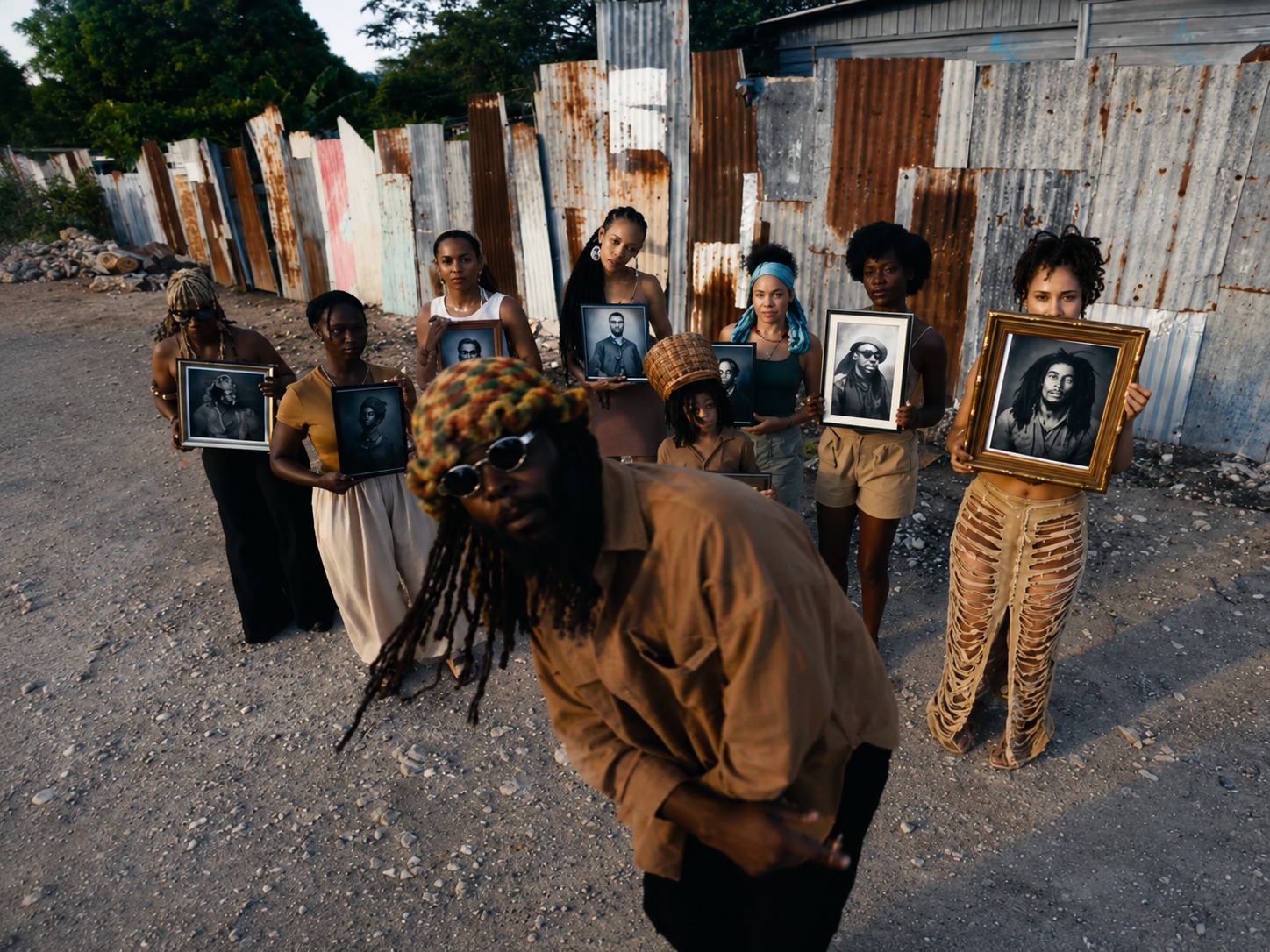
Yaksta belongs in this conversation because his music does not move like empty noise. His strongest appeal has always been purpose. Not soft purpose. Not polished motivational talk with no street temperature. Purpose with dirt on its shoes. Purpose that understands pressure, survival, money struggles, family weight, and the hunger to rise without losing yourself.
That is why this LIFE/STYLE lane makes sense for Yaksta. He brings a different kind of energy to the page. He is not just another artist trying to look fashionable. His image is tied to message, motion, and self-belief. In a culture where many records are built only for short reaction, Yaksta gives people something they can carry into real life.

His current run matters because the music keeps pointing forward. Records like “The Return” and “Living It Up” fit the larger Yaksta identity: an artist speaking to ambition, pressure, discipline, and the will to keep moving. That is what makes him interesting. He can sit inside reggae and dancehall without sounding trapped by either side. The message is reggae-rooted, but the movement still feels current.
Yaksta’s strength is that he does not need to pretend to be a luxury figure to feel valuable. His brand is closer to the working person, the dreamer, the youth trying to build something, the country man with vision, the hustler trying to stay clean-minded in a hard world. That image can travel because it feels usable. People do not just hear it; they apply it.
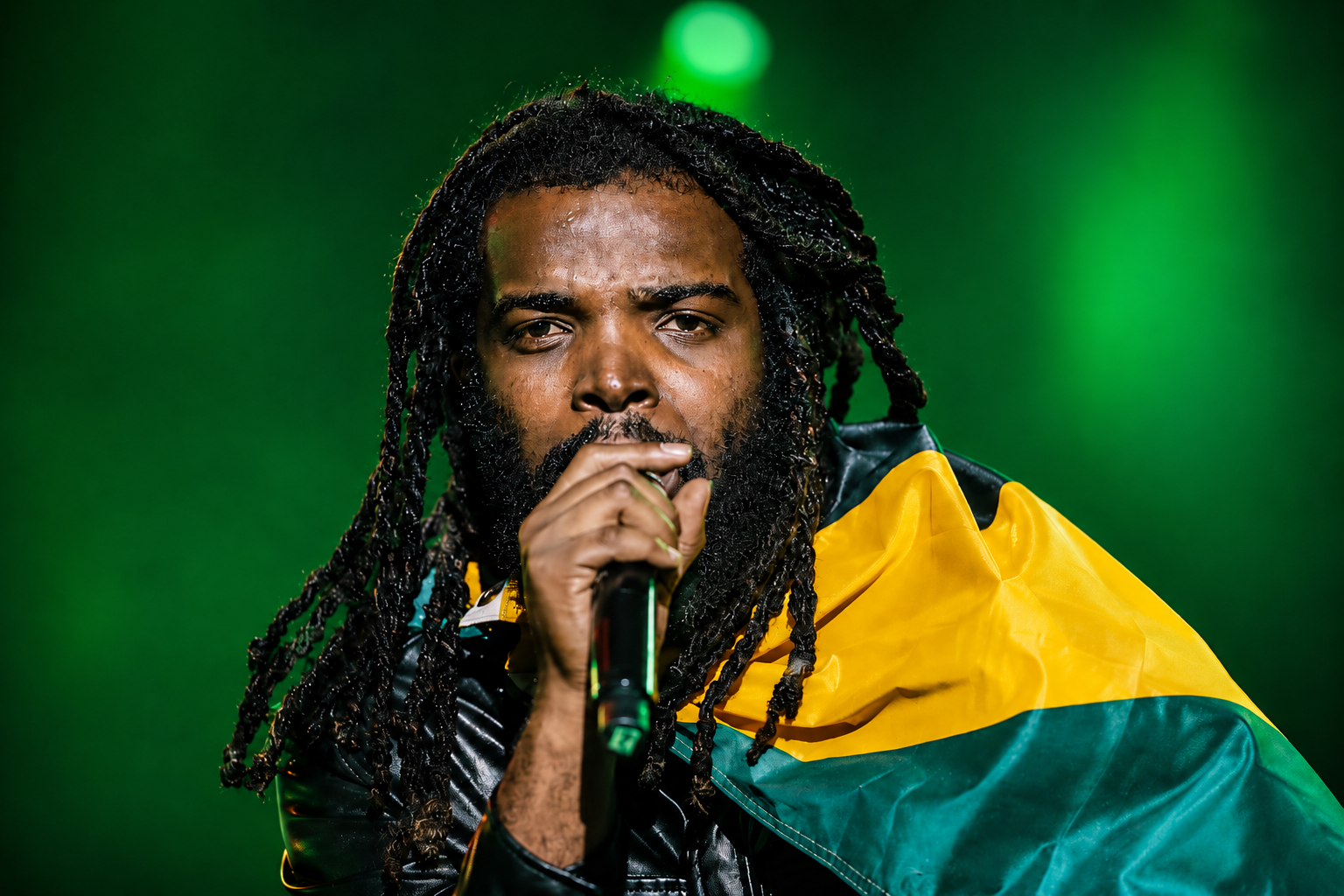
The cultural meaning is important. Reggae and dancehall have always carried motivational voices, but the modern scene sometimes forgets how powerful that lane can be when it is done with edge. Yaksta brings back that balance. He can encourage without sounding soft. He can speak on elevation without making the music feel like a lecture.
Fans care because the message feels close to real life. Not every listener is trying to live inside celebrity fantasy. Some want music that speaks to the climb. Some want music that says the struggle is real but not final. Yaksta’s value is that he gives that audience a voice without removing the rhythm, style, and street sense that make Jamaican music move.
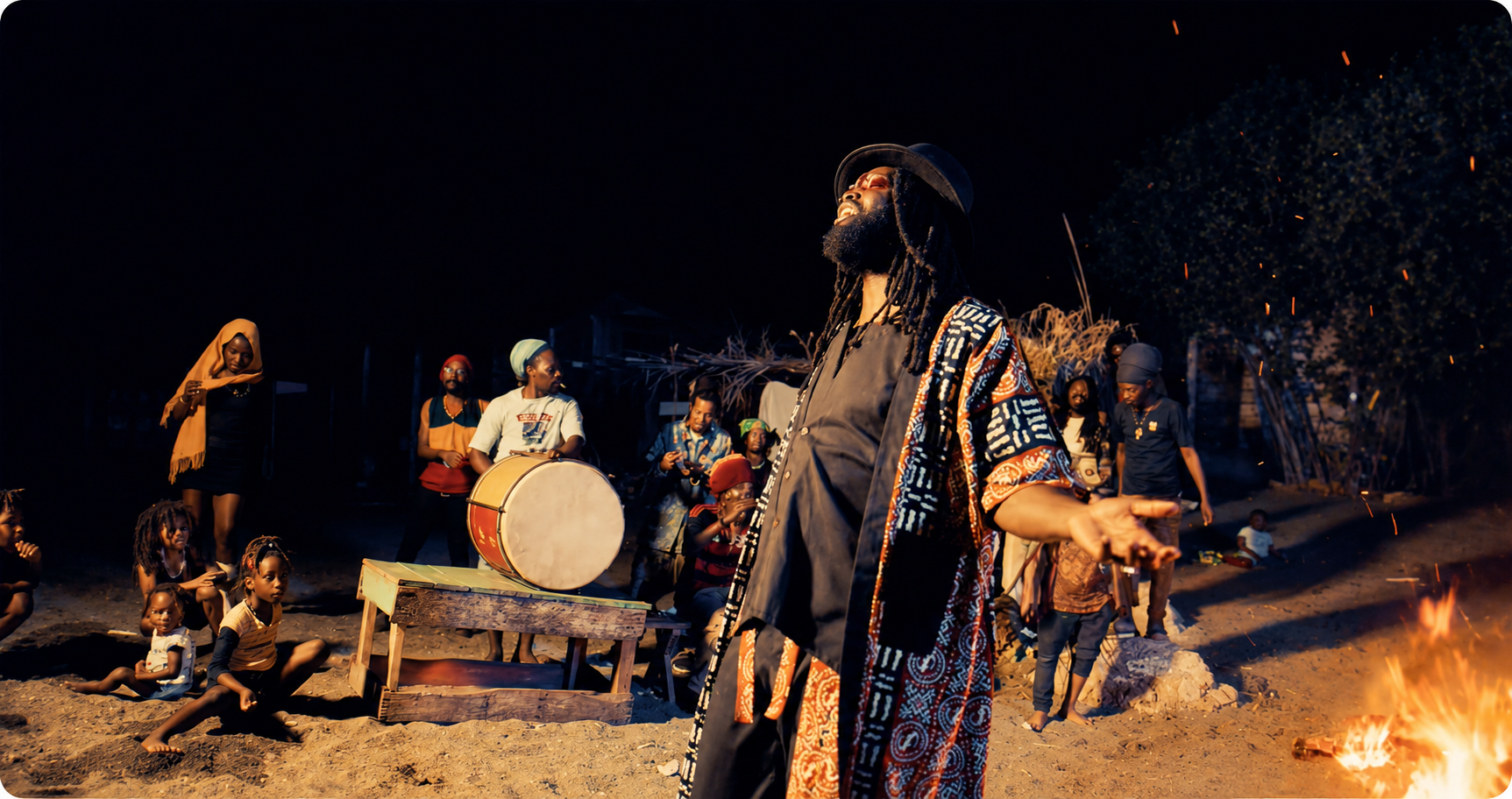
For Holyard, this is an artist-brand story about useful music. Music that does not only entertain. Music that pushes. Music that reminds people to stay focused when everything around them is designed to distract. That kind of positioning gives Yaksta a lane with long-term value.
The industry meaning is clear: reggae-dancehall still has room for artists who carry message without sounding dated. The future does not only belong to the loudest or flashiest name. It also belongs to the artist who can make people feel stronger after listening.
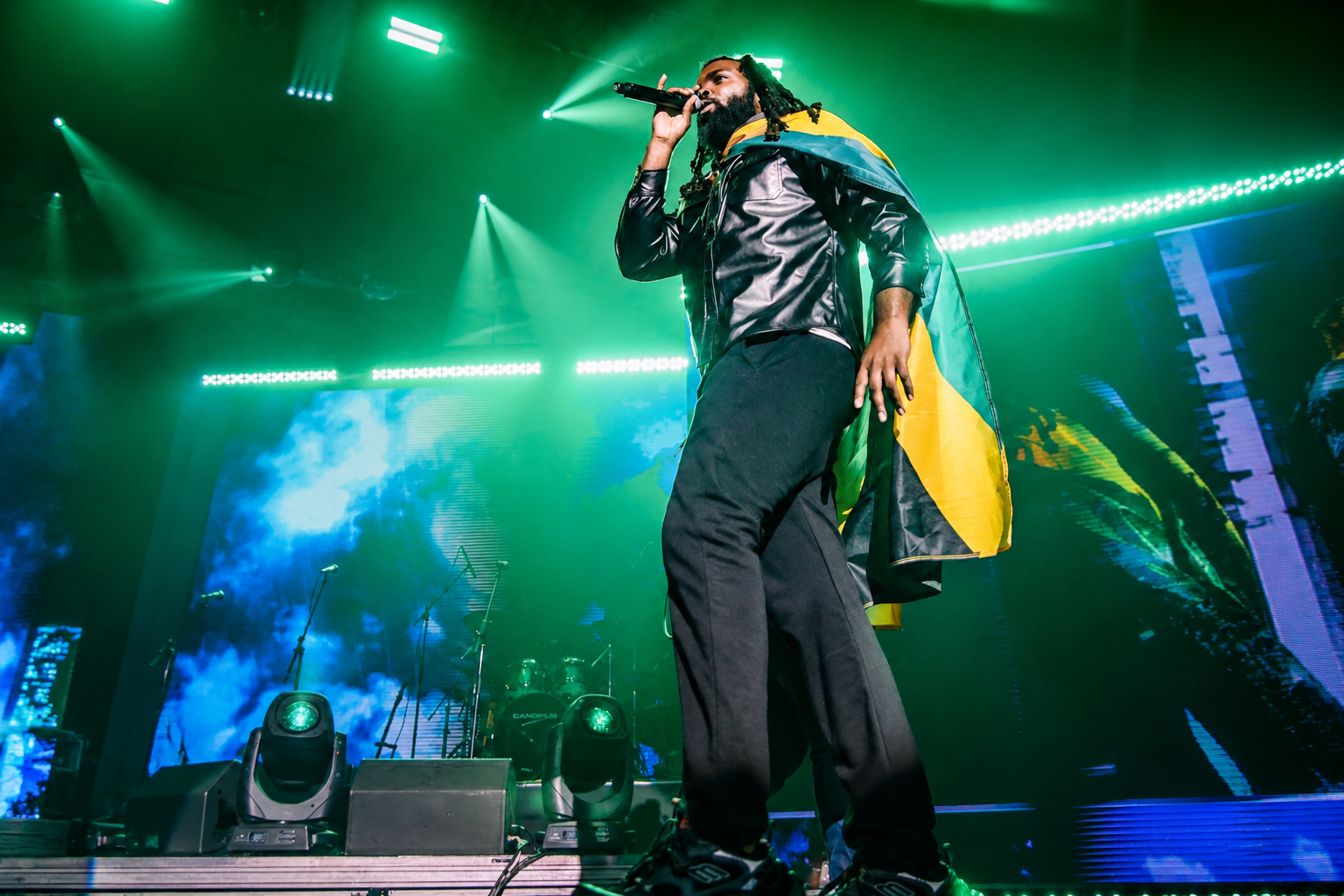
Yaksta’s current chapter feels like a reminder that purpose is not old-fashioned. Purpose only feels weak when the artist does not have conviction.
And Yaksta has conviction. That is why the message still cuts.
Comments
Join the next conversation
This slot is reserved for Holyard community discussion, quick reactions, and follow-up commentary once the comment layer is wired in.